When you step onto the land of Kyrgyzstan, you enter a world where history is not locked behind museum glass, but breathes in every pattern and everyday object.
Traditional Kyrgyz art is not just a legacy of the past, but a living treasure trove from which modern culture draws its best means of expression. It is inextricably linked to the life of the nomadic people and nature itself. The mountains are rich in valuable wood—juniper, walnut, and birch—which for centuries were used to create yurt frames, musical instruments like the komuz and kyyak, and elegant bread chests decorated with deep relief carving. Even ordinary steppe reed (chiy) transforms into masterpieces in the hands of women, where each straw is carefully woven with colored wool, bringing unique comfort and peace to the home.
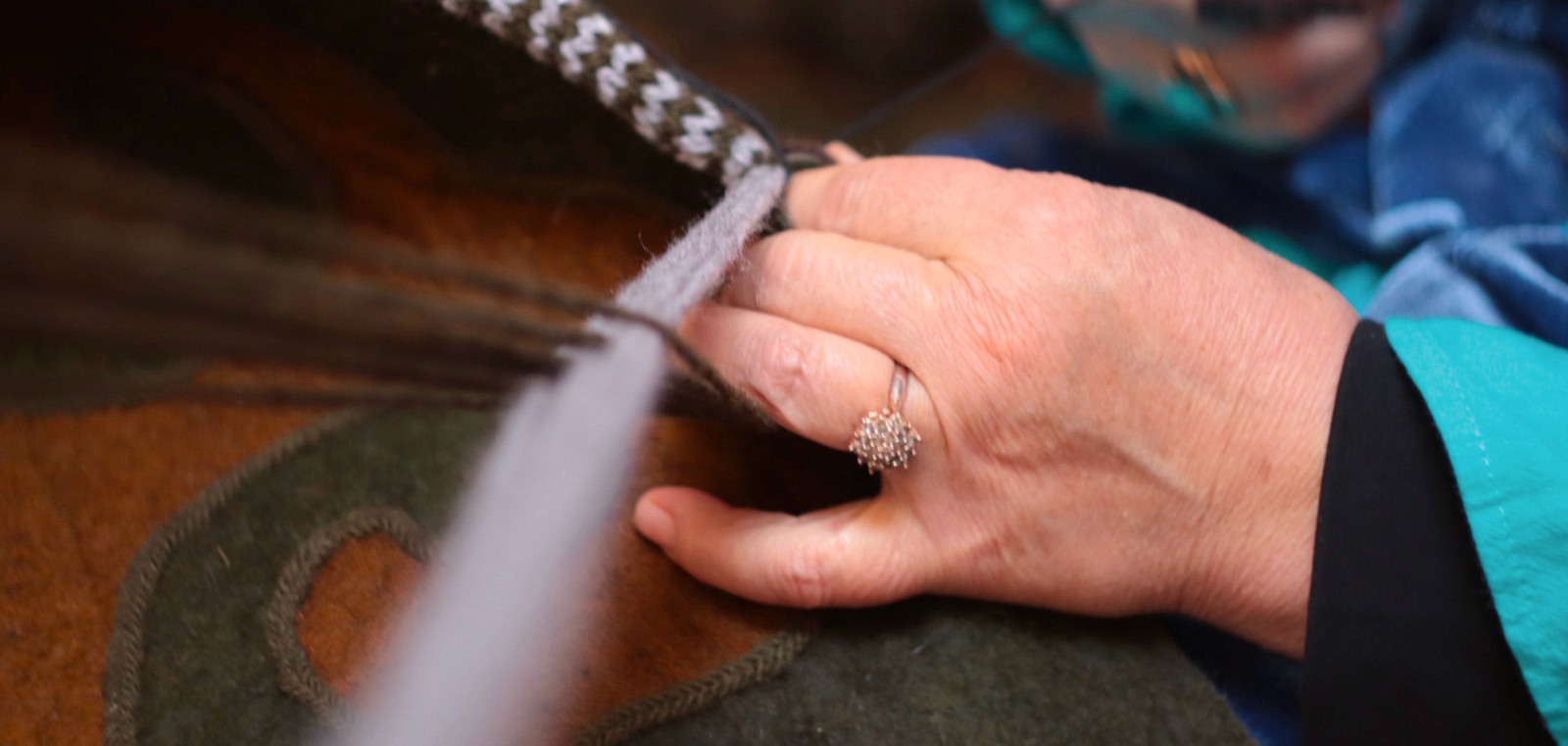
In Kyrgyz culture, a woman has always been a true creator. Her daily activities—hand weaving, embroidery, and creating chiy—demonstrated her immense patience, hard work, and high sense of beauty. Craftswomen achieved striking artistic effects using simple means. The embroidery patterns on dress bibs, headdresses, or ceremonial beldemchi skirts hide a whole poetry that reveals the profound talent of our people. Even the smallest items, such as salt bags (tuz bashtyk) or cauldron potholders (tutkuch), were decorated with immense love, turning harsh nomadic daily life into true art.

Every handcrafted piece is not just an object; it is a thread connecting us to our ancestors. When you hold warm felt or carved wood in your hands, you feel the living soul of Kyrgyzstan and the love the master poured into their work.
Saule.
Co-founder of Shepherd’s House
Kyrgyz craft is also impossible to imagine without the cult of the horse, considered the "wings of a human." People tried to decorate their horses as richly as possible, uniting the efforts of jewelers, leatherworkers, woodcarvers, and embroiderers. Bridles and breastplates were adorned with silver-plated plaques, giving them a festive, majestic look. A special culture of decoration also existed for kumis (mare's milk) tableware: leather vessels called kookor were shaped like anchors, and after being treated in a special smokehouse, they acquired an incredible texture and beauty.
Today, a true renaissance is taking place in Kyrgyzstan. Traditional art has become an inexhaustible source of inspiration for professional artists and designers looking for new forms and materials. Young artisans boldly interpret ancient techniques: chiy is now used to make modern bags, lampshades, and decorative panels, while national ornamental motifs resonate in modern fashion. For the first time in the long history of the nomadic people, Kyrgyz crafts have been recognized at the global UNESCO level—it is now an art that inspires the world.
For us at Shepherd's House, craft masterclasses and deep cultural immersion are a vital part of the journey. We want these items to be more than just souvenirs; we want them to be a piece of the living energy of our land. You can experience this artistry as part of our signature programs, and we would be absolutely delighted to include visits to the best local craftswomen and hands-on workshops in a fully customized itinerary tailored specifically to your request.